


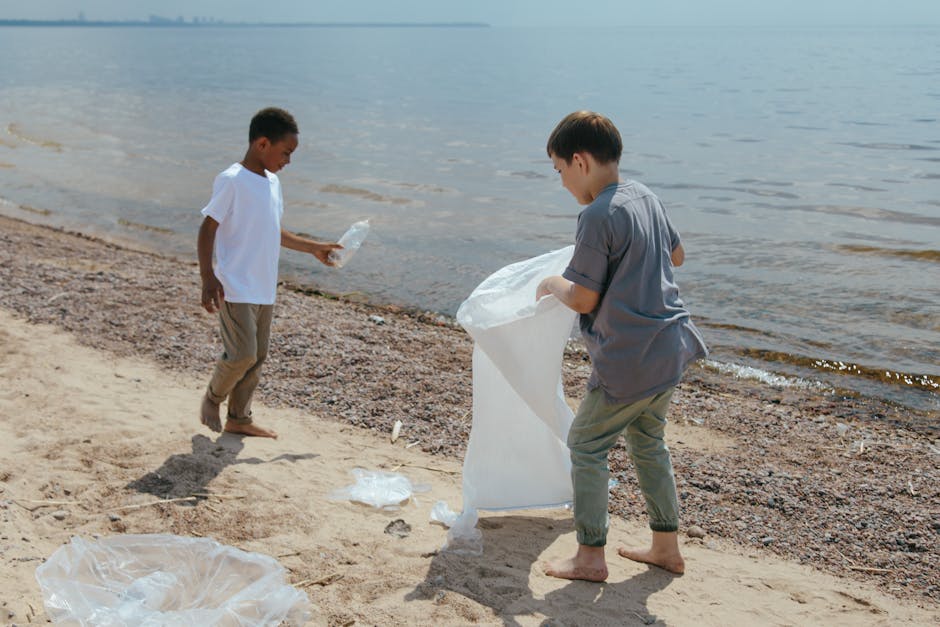
Teaching kids the value of giving back is one of the most meaningful ways to shape empathy, responsibility, and community awareness from a young age. With the growing interest in family activities that promote purpose and kindness, platforms like https://5terbaik.com/ continue to highlight how simple actions can create lasting impact for both children and their communities.
Why Volunteering Matters for Kids
Volunteering helps children develop essential life skills while making a positive difference in the world around them.
Key Benefits for Children
- Builds empathy and compassion
- Encourages teamwork and social skills
- Boosts confidence and self-worth
- Teaches responsibility and gratitude
Starting early allows these values to grow naturally over time.
Ages 3–5: Simple Acts of Kindness
At this stage, volunteering should be fun, simple, and guided by parents.
Easy Ideas for Preschoolers
- Help pick up toys or clean shared spaces at home
- Make drawings or cards for elderly neighbors
- Donate gently used toys
- Help water plants in community areas
These small actions introduce the concept of helping others in a tangible way.
Ages 6–8: Learning to Share and Help
Children in this age group can begin to understand the needs of others more clearly.
Volunteer Ideas for Early Elementary Kids
- Collect food items for local donation drives
- Help sort clothes for charity
- Participate in neighborhood clean-ups
- Bake simple treats to share with community helpers
These activities build a sense of contribution and teamwork.
Ages 9–12: Taking Initiative
Older kids can handle more responsibility and begin to take initiative in helping others.
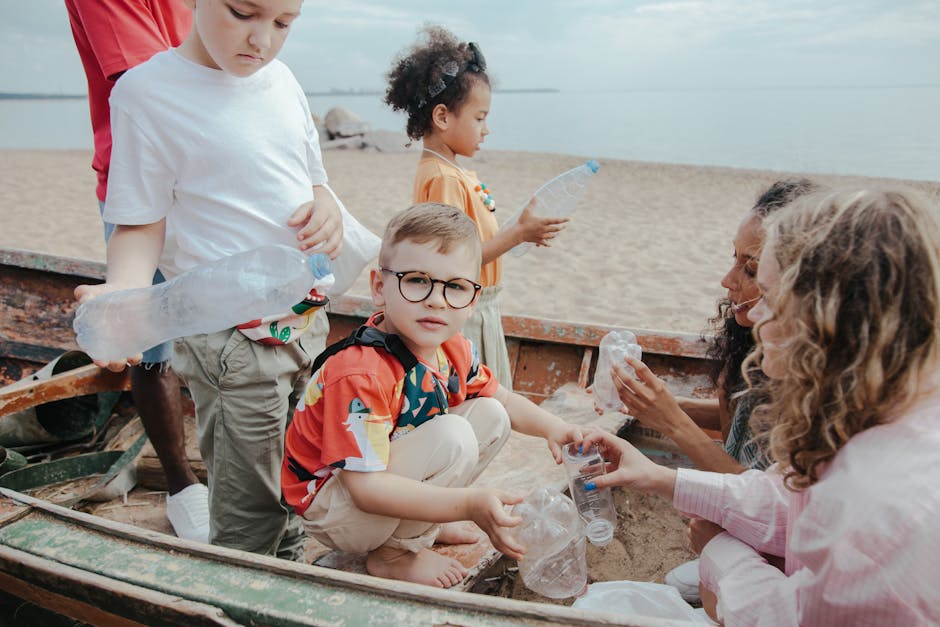
Meaningful Activities for Pre-Teens
- Volunteer at animal shelters (with supervision)
- Organize a small fundraiser for a cause
- Tutor younger students
- Create care packages for those in need
This stage is ideal for developing leadership and problem-solving skills.
Ages 13–15: Building Responsibility
Teenagers can engage in more structured and impactful volunteer work.
Volunteer Opportunities for Young Teens
- Assist at community events or local organizations
- Participate in environmental projects like tree planting
- Help at food banks or soup kitchens
- Mentor younger children in school or sports
These experiences help teens understand the real-world impact of their actions.
Ages 16–18: Making a Bigger Impact
Older teens can take on leadership roles and long-term commitments.
Advanced Volunteer Ideas
- Lead a community project or campaign
- Intern with nonprofit organizations
- Organize charity drives or events
- Advocate for social or environmental issues
At this stage, volunteering can also support future academic and career goals.
Family Volunteering Ideas
Volunteering together as a family strengthens bonds while teaching shared values.
Activities Everyone Can Join
- Community clean-up days
- Visiting nursing homes
- Donating and organizing household items
- Participating in charity walks or events
Family involvement makes volunteering more meaningful and consistent.
How to Choose the Right Activity
Not all volunteer opportunities are suitable for every child.
Factors to Consider
- Age and maturity level
- Personal interests and passions
- Time availability
- Safety and supervision requirements
Choosing the right activity ensures a positive and rewarding experience.
Encouraging Kids to Stay Involved
Keeping children motivated is key to making volunteering a long-term habit.
Tips for Parents
- Lead by example
- Celebrate their efforts
- Keep activities fun and engaging
- Allow kids to choose causes they care about
Positive reinforcement helps children associate volunteering with joy and fulfillment.
The Long-Term Impact of Volunteering
The lessons learned through volunteering often extend far beyond childhood.
Skills That Last a Lifetime
- Leadership and teamwork
- Problem-solving abilities
- Emotional intelligence
- A strong sense of community
These qualities benefit children well into adulthood.
Conclusion
Volunteering is a powerful way to teach kids about kindness, responsibility, and the importance of giving back. By introducing age-appropriate activities, parents can help children develop meaningful habits that last a lifetime.
From simple acts of kindness to leading community initiatives, every step counts. With the right guidance and encouragement, kids can grow into compassionate individuals who actively contribute to making the world a better place.
Related reading: 10 Practical Tips for Building a Happier and Stronger Marriage | Mom and Daughter Shut Down Racist Adoption Questions in Adorable Instagram Video