



Getting proper nutrition into picky eaters can be a daily struggle, especially when they refuse fruits, vegetables, or balanced meals. While vitamins and supplements are often used as a quick fix, they are not always the best long-term solution. Whole foods and creative strategies can provide essential nutrients more naturally and effectively. For more health and lifestyle tips, visit https://5terbaik.com/.
Why Relying Only on Vitamins Isn’t Ideal
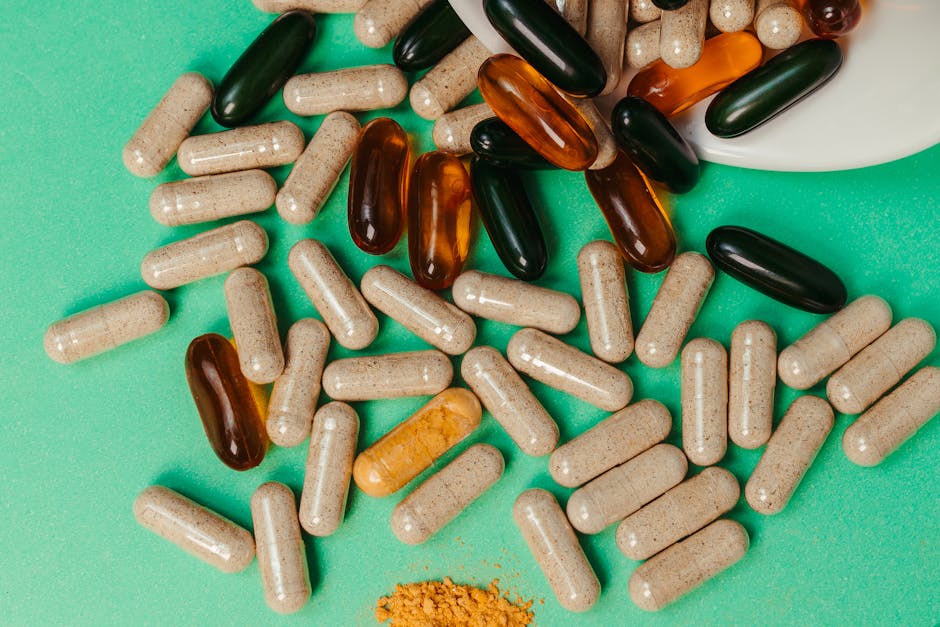
Vitamins can help fill nutritional gaps, but they shouldn’t replace real food. Whole foods provide fiber, antioxidants, and a wide range of nutrients that supplements alone cannot fully replicate.
Additionally, over-reliance on vitamins may prevent children from developing healthy eating habits. Encouraging better food choices early on sets the foundation for lifelong health.
Nutrient-Dense Foods That Work for Picky Eaters
The key is to offer foods that are both nutritious and appealing.
Smoothies as a Nutrient Boost
Smoothies are one of the easiest ways to sneak in essential nutrients. You can blend fruits, vegetables, yogurt, and even seeds into a delicious drink.
Try combinations like:
- Banana + spinach + peanut butter
- Mango + carrot + yogurt
- Berries + oats + milk
The natural sweetness of fruit helps mask the taste of vegetables.
Fortified Foods
Many everyday foods are fortified with essential nutrients such as calcium, iron, and vitamin D.
Examples include:
- Fortified cereals
- Milk or plant-based alternatives
- Bread and pasta
These options can help fill nutritional gaps without requiring drastic dietary changes.
Creative Ways to Introduce Healthy Ingredients
Presentation and preparation can make a huge difference for picky eaters.
Hiding Vegetables in Favorite Meals
Incorporate vegetables into dishes your child already enjoys:
- Add pureed carrots or zucchini into pasta sauce
- Mix finely chopped vegetables into meatballs or burgers
- Blend spinach into pancakes or muffins
This approach increases nutrient intake without triggering resistance.
Making Food Fun
Turning meals into fun shapes or colorful presentations can encourage kids to try new foods.
Ideas include:
- Creating “rainbow plates” with different colored foods
- Using cookie cutters for fruits and sandwiches
- Arranging food into playful designs
Protein and Healthy Fat Alternatives
Balanced nutrition goes beyond vitamins—protein and healthy fats are equally important.
Easy Protein Sources
If your child avoids meat, try:
- Eggs
- Yogurt or cheese
- Beans or lentils
- Nut butters
These foods are versatile and can be added to many dishes.
Healthy Fats for Brain Development
Healthy fats support growth and brain function. Include:
- Avocado
- Nuts and seeds (if age-appropriate)
- Olive oil
These can be easily mixed into meals or snacks.
Establishing Better Eating Habits
Long-term success depends on behavior, not just food choices.
Consistent Meal Routines
Serve meals and snacks at regular times. Avoid constant grazing, which can reduce appetite during main meals.
Offering Choices Without Pressure
Give children limited choices, such as “Do you want apples or bananas?” This gives them a sense of control while still guiding healthy decisions.
Repeated Exposure
Children may need multiple exposures to a new food before accepting it. Keep offering small portions without forcing them to eat.
Involving Kids in Food Preparation
Children are more likely to eat what they help create.
Cooking Together
Let them:
- Wash vegetables
- Stir ingredients
- Choose recipes
This builds curiosity and reduces resistance to trying new foods.
Grocery Shopping Participation
Allow kids to pick out fruits or healthy snacks at the store. This involvement can increase their willingness to try what they selected.
When Supplements May Still Help
While food should be the priority, there are situations where supplements can be useful—such as specific deficiencies or medical conditions.
Always consult a healthcare professional before introducing supplements to ensure proper dosage and necessity.
Conclusion
Finding alternatives to vitamins for picky eaters is about creativity, patience, and consistency. By focusing on nutrient-dense foods, fun presentation, and positive eating habits, you can gradually improve your child’s diet without relying solely on supplements.
With the right approach, even the pickiest eaters can develop healthier preferences over time—leading to better nutrition and long-term well-being.
Related reading: What Foster Parents Should Know About Adopting and Affirming a Queer Child | Smart Parenting Hacks That Will Make Your Life Easier