


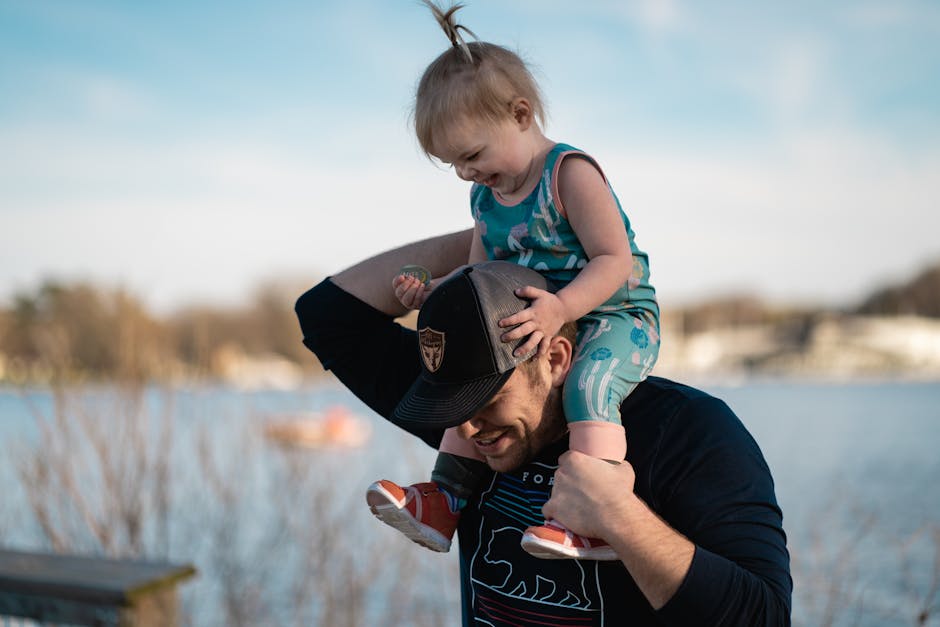
Parenthood is full of unexpected moments, and sometimes those moments challenge traditional ideas of roles and identity. For one dad, being called “Mama” by his toddler isn’t confusing or concerning—it’s a meaningful reflection of love, connection, and early childhood development, as parenting stories and family insights continue to resonate with readers on https://5terbaik.com/.
Understanding Why Toddlers Use “Mama”
For young children, language is still developing, and words often carry broader meanings than adults expect.
Early Language Development
Toddlers typically learn simple, familiar words first. “Mama” is often one of the earliest and easiest words to say, which can lead to:
- Using “Mama” to refer to any primary caregiver
- Associating the word with comfort and safety
- Repeating what they hear most frequently
At this stage, children are less focused on labels and more on emotional connections.
It’s About Attachment, Not Labels
When a toddler calls their dad “Mama,” it usually reflects a strong bond rather than confusion.
A Sign of Trust and Comfort
Children use words that feel safe and familiar. Being called “Mama” can mean:
- The child sees you as a source of care and security
- You are fulfilling a nurturing role in their life
- They feel emotionally connected and supported
In many ways, it’s a compliment rather than a mistake.
Breaking Traditional Parenting Roles
Modern parenting is evolving, and many families are moving beyond strict definitions of “mom” and “dad.”
Shared Responsibilities
Today, fathers are often deeply involved in:
- Feeding and daily care
- Bedtime routines
- Emotional support and bonding
As roles become more balanced, it’s natural for children to blur traditional labels.
How to Respond as a Parent
Parents may feel unsure about how to react when their child uses unexpected terms.
Keep It Positive and Gentle
Experts often recommend:
- Responding warmly without correcting harshly
- Gently modeling the correct term over time
- Avoiding making the child feel wrong or embarrassed
For example, you might say, “Yes, Daddy is here,” while still acknowledging their call.
When Do Children Learn the Difference?
As language skills improve, most children naturally begin to distinguish between “Mama” and “Daddy.”
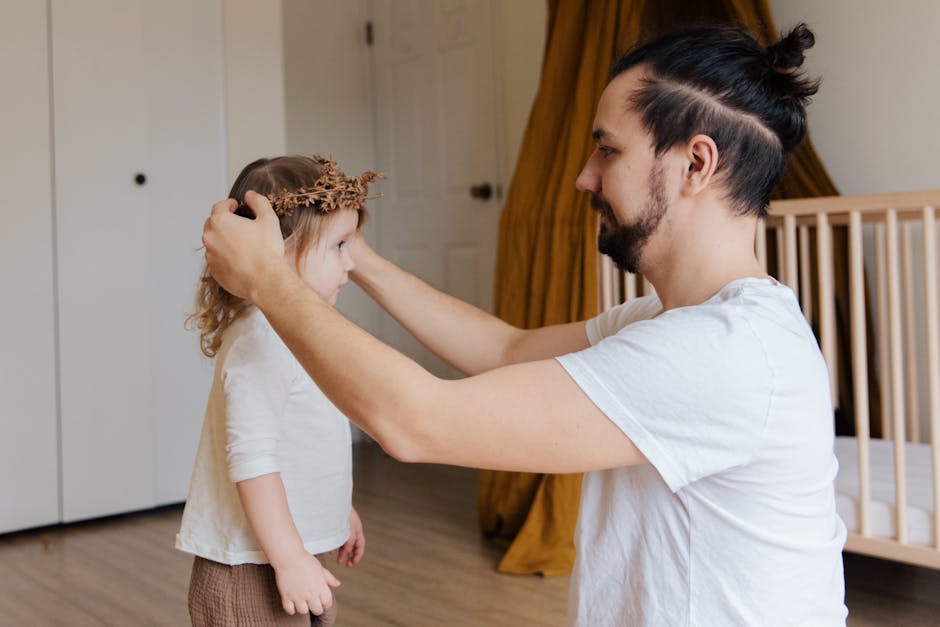
Developmental Milestones
Typically, toddlers:
- Expand vocabulary rapidly after age two
- Begin to understand different roles and names
- Adjust their language based on context
In most cases, the phase resolves on its own.
Emotional Benefits of Acceptance
Accepting your child’s language without judgment can have positive effects on their development.
Building Confidence
When children feel accepted, they are more likely to:
- Express themselves freely
- Develop strong emotional security
- Build trust in their caregivers
This creates a healthier parent-child relationship.
A Reflection of Changing Family Dynamics
This situation also highlights broader cultural shifts in how parenting is viewed.
Redefining What It Means to Be a Parent
The idea that nurturing is tied to one specific role is becoming outdated. Instead:
- Parenting is seen as a shared responsibility
- Emotional care is valued equally across roles
- Labels matter less than actions
This perspective allows families to function in ways that best suit their needs.
When to Be Concerned (If Ever)
In most cases, there’s no cause for concern when a toddler mixes up parental titles.
Rare Exceptions
Parents may want to observe further if:
- Language development seems significantly delayed
- The child struggles with multiple basic words
- There are broader communication challenges
If needed, a pediatrician or speech specialist can provide guidance.
Celebrating the Moment
Rather than worrying about being called “Mama,” many parents choose to embrace the moment.
Finding Meaning in the Unexpected
This experience can be seen as:
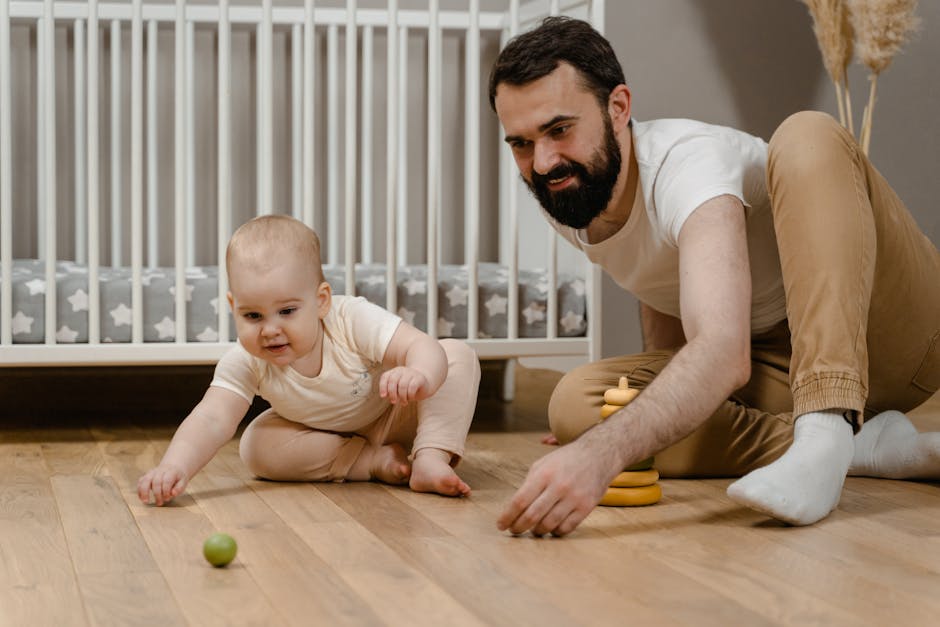
- A reminder of your importance in your child’s life
- A sign of deep emotional bonding
- A unique and memorable part of early parenthood
These small moments often become cherished memories later on.
Conclusion
Being a dad called “Mama” by your toddler may feel surprising at first, but it’s a completely normal part of early development. More importantly, it reflects the love, trust, and connection that define strong parenting.
As families continue to evolve and redefine traditional roles, what truly matters is not the label a child uses, but the care and presence a parent provides. In the end, being called “Mama” might just be one of the most meaningful compliments a dad can receive.
Related reading: Do You Love Your Kids More Than Your Partner? Understanding Family Bonds and Emotional Priorities | 7 Common Reasons Moms End Up at the Dentist—And How to Avoid Them