



The question of whether parents love their children more than their partner is one that sparks deep emotional reflection and debate, as modern relationship dynamics continue to evolve and be explored on https://5terbaik.com/ by those navigating family life and personal connections.
A Question That Many Parents Quietly Ask
For many parents, this question isn’t about choosing one over the other—it’s about understanding how love changes after having children. The emotional landscape of a relationship shifts significantly once kids enter the picture.
Different Types of Love
It’s important to recognize that love for a partner and love for children are fundamentally different:
- Romantic love involves partnership, intimacy, and shared goals
- Parental love is often unconditional, protective, and instinctive
Comparing them directly can be misleading because they serve different emotional purposes.
Why Children Often Feel Like the Top Priority
After becoming parents, many people naturally place their children at the center of their lives.
Biological and Emotional Instincts
Humans are wired to protect and nurture their offspring. This instinct can make parental love feel:
- More urgent and intense
- Deeply protective
- Focused on caregiving and survival
This doesn’t mean a partner is less important—it reflects a shift in responsibility.
Time and Attention Shift
Raising children requires significant energy and focus, which can lead to:
- Less time for the relationship
- Reduced emotional availability for a partner
- A feeling that the relationship has taken a back seat
These changes are common and often temporary.
The Risk of Neglecting Your Relationship
While prioritizing children is natural, completely neglecting a partner can create long-term issues.
Why the Partnership Still Matters
A strong relationship between parents provides:

- Emotional stability for the family
- A healthy example for children
- Long-term companionship beyond parenting years
Ignoring the relationship can lead to distance, resentment, or conflict.
Finding Balance
Healthy families often aim for balance rather than choosing one over the other. This means:
- Making time for your partner
- Communicating openly about needs
- Supporting each other as co-parents and individuals
What Experts Say About Love in Families
Relationship experts often emphasize that love is not a limited resource.
Love Expands, Not Competes
Instead of thinking in terms of “more” or “less,” it’s more accurate to say:
- Love for children grows in a unique way
- Love for a partner evolves rather than decreases
Both forms of love can coexist and strengthen each other when nurtured properly.
Common Feelings Parents Experience
Many parents feel guilty even asking this question, but it’s a normal part of adjusting to family life.
Emotional Conflicts
Parents may experience:
- Guilt for spending less time with their partner
- Confusion about shifting priorities
- Pressure to meet everyone’s needs
Acknowledging these feelings is the first step toward resolving them.
How to Strengthen Both Relationships
Maintaining a healthy balance requires intentional effort.
Practical Tips
- Schedule couple time: Even small moments together matter
- Share responsibilities: Reduce stress by working as a team
- Communicate regularly: Talk about feelings and expectations
- Show appreciation: Small gestures can strengthen connection
These actions help keep the relationship strong while raising children.
The Long-Term Perspective
Children eventually grow up and become independent, but your partnership often remains.
Thinking Ahead
Investing in your relationship now can lead to:
- A stronger bond in later years
- Greater emotional fulfillment
- A stable foundation for the entire family
Balancing both relationships is not just beneficial—it’s essential.
Conclusion
Loving your children deeply does not mean loving your partner less. The two types of love are different but equally important in their own ways. While children may naturally become the focus of attention, maintaining a strong partnership is key to a healthy and happy family life.
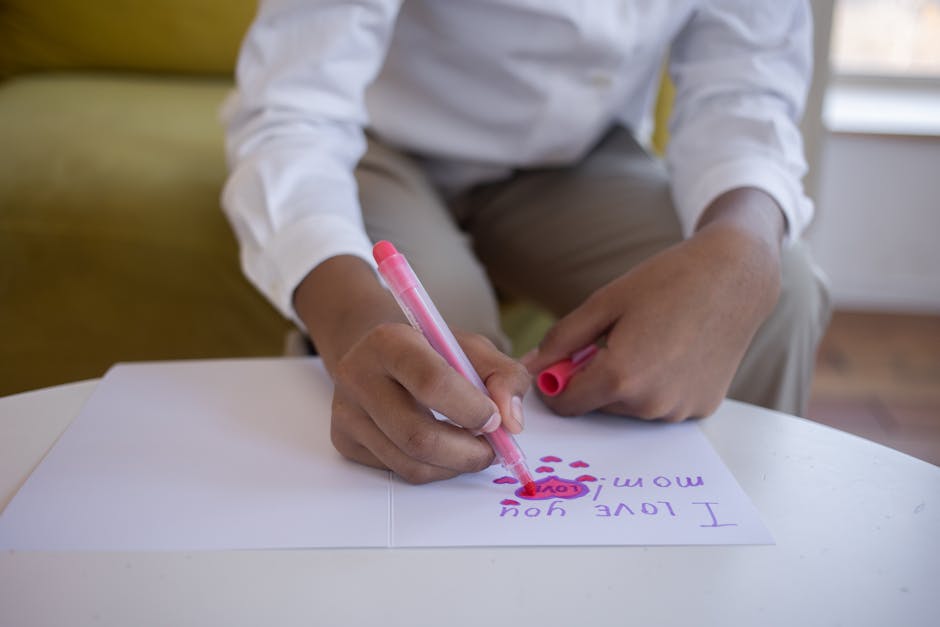
Rather than asking who is loved more, the better question may be how to nurture both relationships effectively. With awareness, communication, and effort, it is entirely possible to create a balanced and fulfilling family dynamic.
Related reading: RSV Virus Spreads Across Southern States: What Parents Need to Know to Protect Their Kids | I’m a Dad, But My Toddler Calls Me “Mama”—And That’s Perfectly Okay