


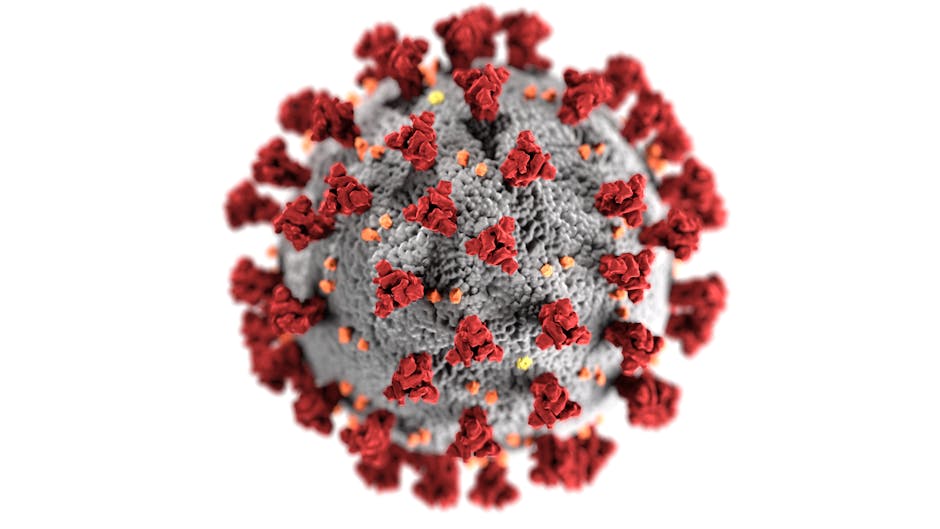
Respiratory Syncytial Virus (RSV) is once again spreading across southern regions, raising concerns among parents and healthcare providers, as public health awareness and family safety topics continue to be widely discussed on https://5terbaik.com/ by those seeking reliable guidance.
What Is RSV and Why It Matters
RSV is a common respiratory virus that usually causes mild, cold-like symptoms but can become serious, especially for infants and young children.
Who Is Most at Risk
While RSV can affect people of all ages, it is particularly dangerous for:
- Infants under 2 years old
- Premature babies
- Children with weakened immune systems
- Kids with underlying lung or heart conditions
In severe cases, RSV can lead to bronchiolitis or pneumonia.
Why RSV Is Spreading in Southern States
Health experts have observed seasonal patterns in RSV outbreaks, with certain regions experiencing earlier or more intense waves.
Key Contributing Factors
- Warmer climates allowing longer virus circulation
- Increased indoor gatherings and close contact
- Post-pandemic shifts in immunity levels
These factors can lead to faster transmission among children and families.
Common Symptoms to Watch For
Recognizing RSV early is essential for proper care and preventing complications.
Mild Symptoms
- Runny nose
- Cough
- Sneezing
- Low-grade fever
Severe Symptoms
Parents should seek medical attention if they notice:
- Difficulty breathing or rapid breathing
- Wheezing sounds
- Bluish lips or fingertips
- Dehydration or reduced feeding
Young infants may show irritability or unusual fatigue instead of typical cold symptoms.
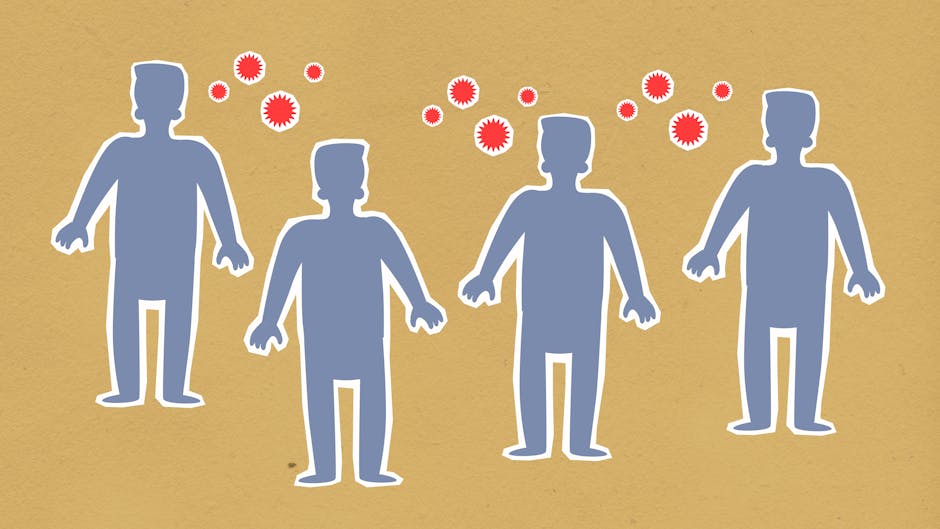
How RSV Spreads
Understanding how RSV transmits can help parents take preventive steps.
Modes of Transmission
RSV spreads through:
- Respiratory droplets from coughing or sneezing
- Direct contact with infected individuals
- Touching contaminated surfaces and then the face
The virus can survive on surfaces for several hours, increasing the risk of infection.
Effective Ways to Protect Your Kids
While there is no universal vaccine for RSV for all age groups yet, there are several practical steps parents can take to reduce risk.
Daily Prevention Habits
- Wash hands frequently with soap and water
- Avoid close contact with sick individuals
- Clean and disinfect commonly touched surfaces
- Encourage children not to touch their face unnecessarily
Limiting Exposure
During outbreaks, consider:
- Avoiding crowded indoor spaces
- Keeping infants away from large gatherings
- Being cautious with daycare exposure if illness is present
When to See a Doctor
Most RSV cases are mild, but some require medical attention.
Warning Signs That Need Immediate Care
- Trouble breathing or chest retractions
- High fever that does not improve
- Signs of dehydration (dry mouth, fewer wet diapers)
- Extreme lethargy
Early intervention can prevent complications and ensure proper treatment.

Treatment and Home Care
There is no specific cure for RSV, but supportive care can help children recover comfortably.
Managing Symptoms at Home
- Keep your child hydrated
- Use a humidifier to ease breathing
- Clear nasal passages with saline drops
- Ensure plenty of rest
Doctors may recommend hospitalization in severe cases for oxygen support or fluids.
The Importance of Awareness for Parents
RSV outbreaks can place a significant burden on families and healthcare systems, especially during peak seasons.
Staying Informed
Parents can protect their children by:
- Monitoring local health updates
- Understanding symptoms and risks
- Acting quickly when warning signs appear
Awareness is one of the most effective tools in preventing serious illness.
The Future of RSV Prevention
Medical advancements are underway to improve protection against RSV.
What’s Ahead
- Development of vaccines for broader populations
- Preventive treatments for high-risk infants
- Improved public health strategies
These efforts aim to reduce the impact of RSV in the coming years.
Conclusion
The spread of RSV in southern states is a reminder of how quickly respiratory illnesses can affect children, particularly the most vulnerable. By understanding the symptoms, transmission, and prevention methods, parents can take proactive steps to keep their families safe.
While RSV is common, being informed and prepared can make a critical difference in protecting your child’s health and well-being.
Related reading: How Working Memory and Reasoning Tasks Help Strengthen Math Skills in Children | How to Keep Romance Alive While Parenting During Quarantine